
Getting the shot
It’s Christmas and I’m under pressure. I’ve just been told to get my camera and take a group portrait—of the family.

We’re all together in our glad rags, on our best behaviour, and this opportunity doesn’t come around so often. There’s always the expectation that I can just knock it out of the park. Bash out a group photo. Get something we can all look at in a few years and remember how we once were.
Trouble is, the house is incredibly dark. It’s winter, after all, and this particular Swedish house—built in 2001—isn’t designed for light. Candles and soft lighting would be fine for a single portrait, but there’s no way a group shot is going to work in light like this.
I dash to my studio, grabbing a light stand, soft box and flash from the pile of equipment by the shelves. Once I’m back in the living room, my six-year-old grandson wants to help.
“I can do it,” he tells me with the confidence only a six-year-old has: unwavering, almost nonchalant, as if he’s done this a bajillion times before.
Which he hasn’t.
I work quickly, my fingers pulsing with years of muscle memory, pulling the legs of the stand out, adjusting the height.
“Let me do it,” he says when I go to lift the light onto the stand.
“It’s too heavy,” I tell him—although he could probably manage. He can already lift a sixteen kilogram kettlebell. I’ve seen him. His hands are immense and he’s the tallest in his class by about a head.
“You can help me test the lighting,” I say. “After we move the coffee table.”
Together we shift the shabby table we’ve had for over twenty years.
I switch on my camera, attach the trigger, set the flash to 1/64.
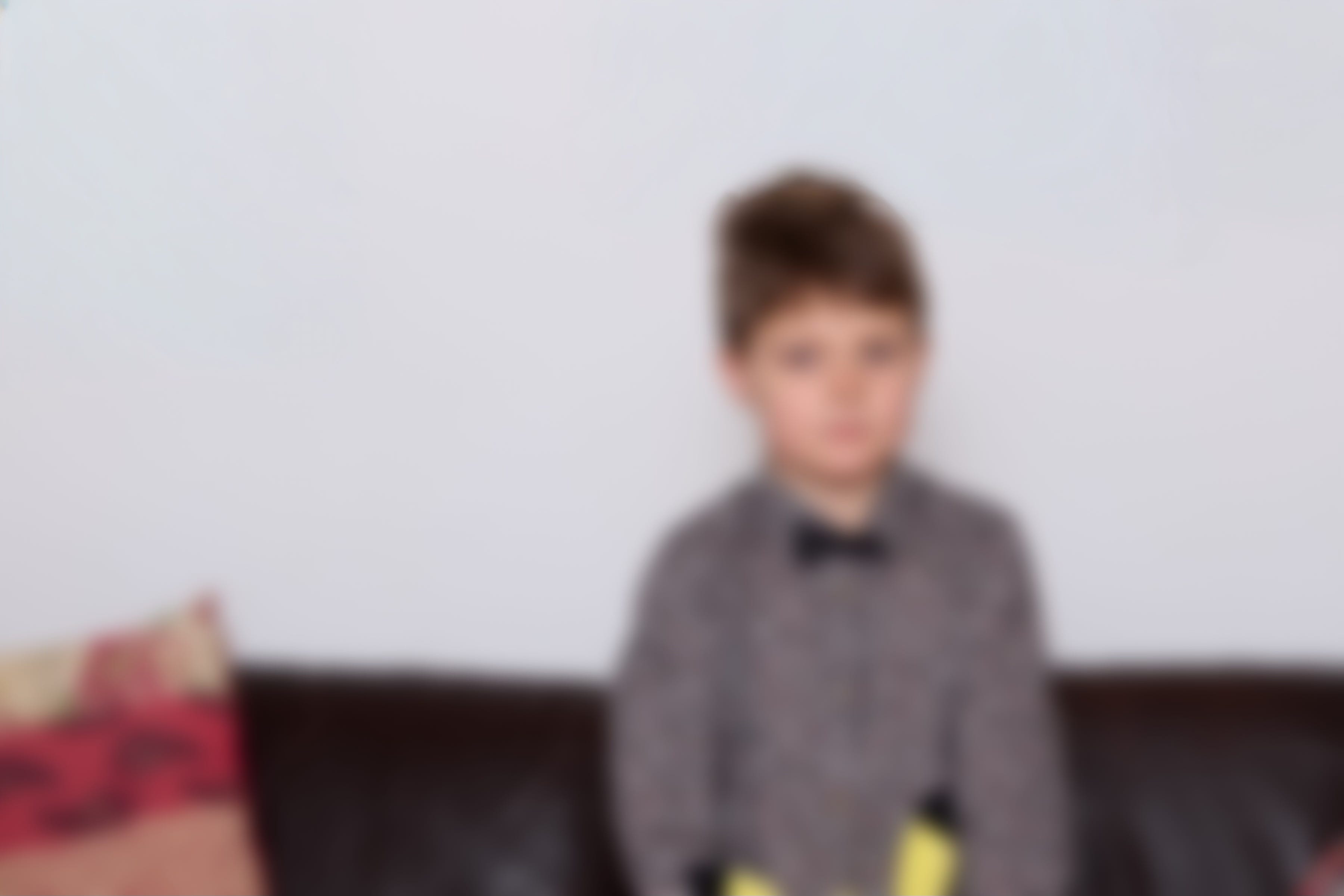
“Stand in front of the sofa,” I tell him. “So I can take a test shot.”
“Can’t I do it? Can I take the picture?”
He’s not nagging. He’s being enthusiastic.
“In a minute. I have to get the light right first. Stand still and look at the camera.”
He poses pulling a silly face, then rolls his eyes like an indolent teenager bored out of his skull.
I momentarily glimpse the not so distant future.
I take the picture, adjust the ISO, take it again. This time its tack sharp.
“Ok. Now you can.”
I fetch a tripod from the studio and attach the camera, making sure to check it’s properly locked in. I’ve smashed three lenses and one camera in the last ten years, so I’m wary. I adjust the ball head, making sure we’ll all be in shot.
“You press here to focus,” I tell him. “Then you push this button to take the picture. But do it gently.”
He immediately presses the wrong button with so much force that the camera and tripod rock from side to side.
“Be careful with Afi’s camera,” a voice from the hallway says. “It’s very expensive.”
I’m not sure my grandson grasps that concept.
“This button,” I say, showing him again. “Gently.”
This time he gets it right.
I move across the room and position myself in front of the sofa.
“Ready?”
He takes the picture, the flash filling the room.
I cross back to look. The test shot is sharp—me standing there slightly wooden, unsure, the way I always look in photos.
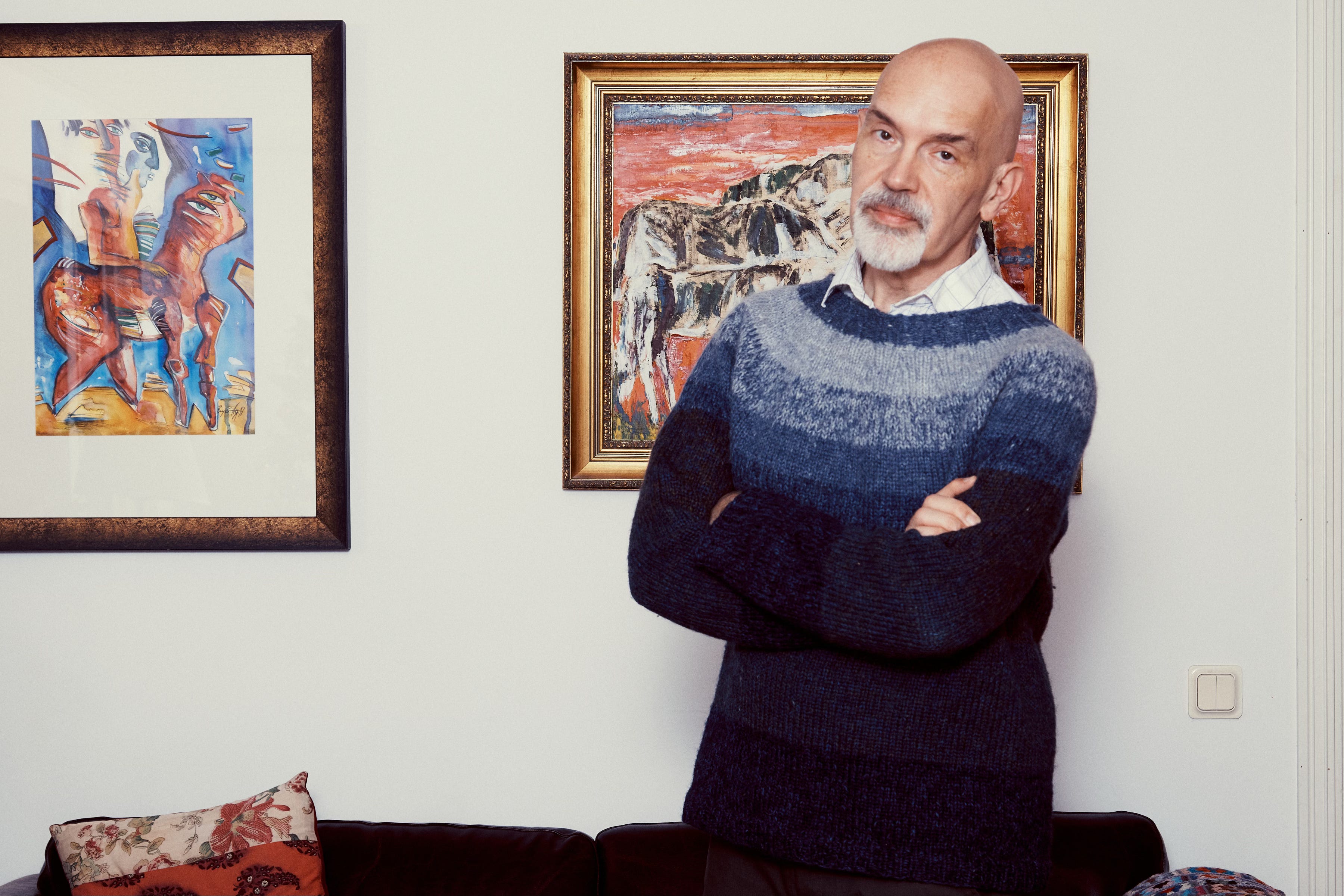
“Great shot,” I tell him, turning the camera around.
“Wow!” he says, genuinely surprised. “It’s better than the camera you gave me.”
He’s learning about light with a Polaroid I gave him. It’s costing me a small fortune in film, but he likes the immediacy—seeing the picture in his hand. Last time he visited, he chided me for running out.
“It’s okay just this once, Afi,” he’d said. “But make sure you have some for next time.”
“Let’s get the others,” I say now. “Go tell them we’re ready.”
“WE’RE READY!” he yells, his deep husky voice booming above the Christmas music.
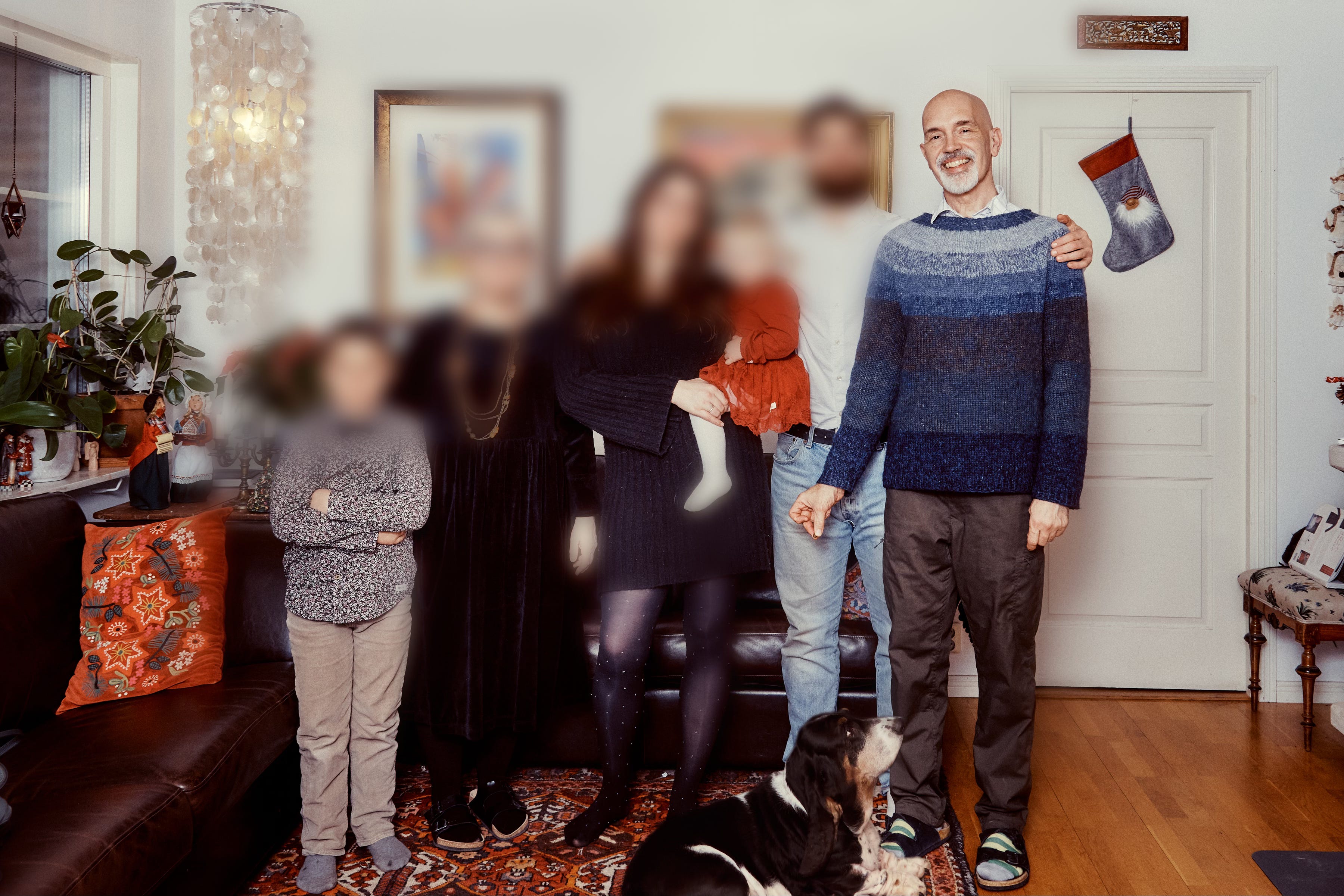
The others file into the living room, no one blinking at the sight of a massive soft box pointed at the ceiling. Taking charge as if I’m on a paid shoot, I line everyone up and take a test without me in the frame.
The lamp above the table bothers me—too close, too bright.
“Everyone take a step to your right.”
“Is this going to take long?” someone asks.
I take another shot. When I see it on the screen, I know this will do. I flip the timer on.
“Ready?”
I press the shutter and stride across the room, positioning myself in the frame. Ten seconds.
The flash pops. Light fills the room.
“Let me check,” I say, crossing back within a heartbeat of the shutter closing.
“M blinked,” I announce, although I know full well she didn’t. “Let’s take another.”
We go again. And again.
After four frames, no one has any patience left.
“That will do,” M says. “That was great.” She heads for the kitchen. “The sauce is almost ready.”
“Afi, can I see?” my grandson wants to know.
I unclip the camera and find the frame I think is best.
“Pretty good, don’t you think?”
I hand him the camera.
“Be careful,” the voice from the hallway says. “It’s expensive.”
“It’s okay,” I tell my grandson. “You’re fine.”
Later—after dinner, after coffee, after yet another rerun of The Lion, The Witch and The Wardrobe, after the rest of the family have gone—I download the photos.
I’m right about which frame works best. But the photo I like most is the one of the sardonic six-year-old, two parts eager, one part teenager-in-waiting, taken while we were setting up.
I glance again at the Christmas family photo.
Another memory in waiting.
Thank you! ❤️