
The Cut
I go to shoot a two-room apartment in one of those swank areas of the city where twentysomething startup people desperately aspire to live.

It’s early January. The second interior shoot of the year—2023.
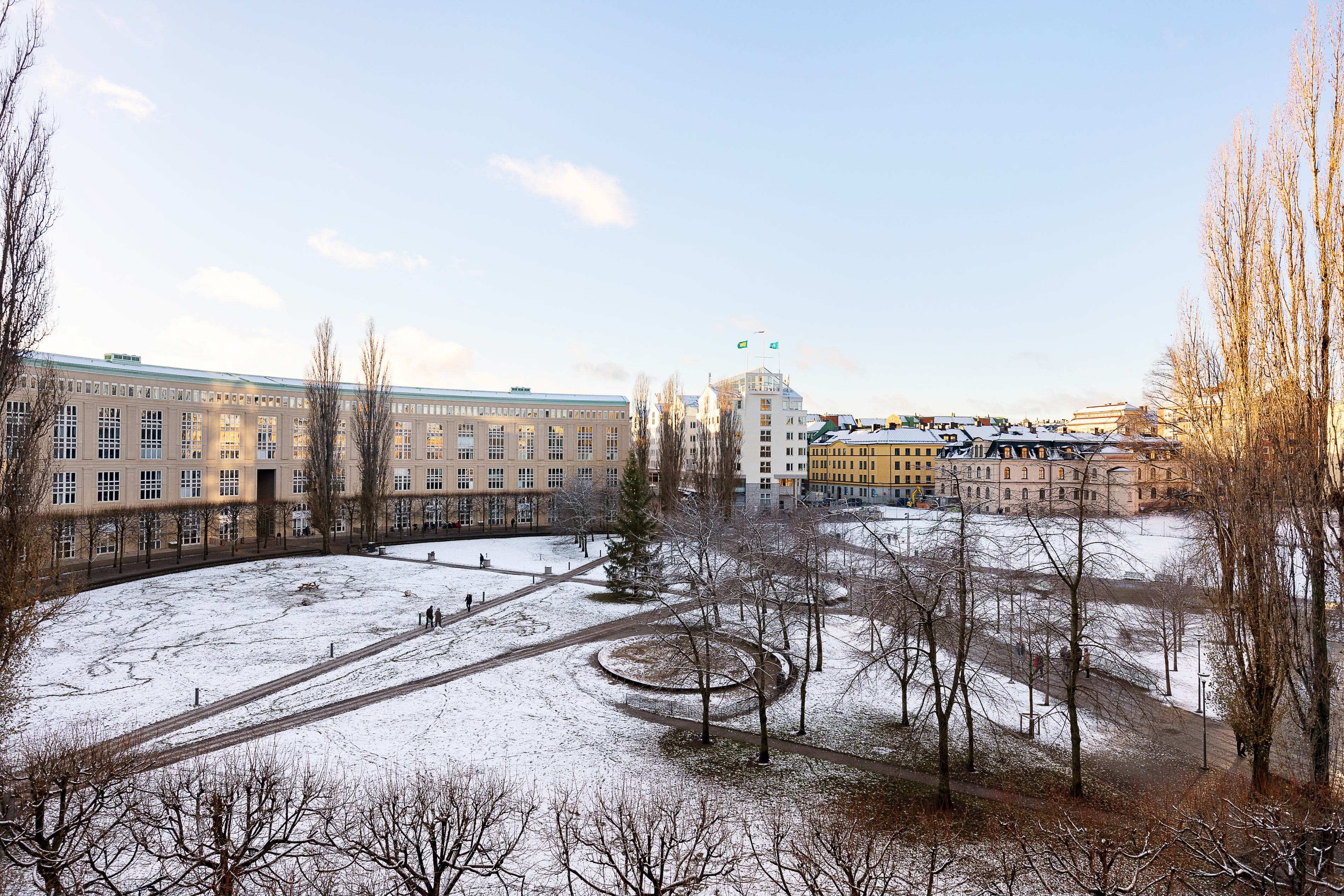
Property prices are high around here, but not the highest in the city. That’s Östermalm on the other side of town. Those apartments are where you either have serious money or bought the place decades ago and still haven’t moved out to somewhere quieter to potter around and, well ultimately, die.
“Stina” meets me outside the building. She’s wearing a Canada Goose parka and a cashmere scarf that probably cost the price of a camera lens. It’s minus eight and has been for over two weeks. The gravel on the pathway to stop you slipping has compacted, layer upon layer, into something like concrete.
“Hej,” she says, delighted to see me. Or at least, that’s how it might look to someone else.
“Hej hej,” I reply, then ask her how it’s going, whether she had a good Christmas. “Did you go up to Åre with your family?”
I’m friendly, but not fake. I don’t play the gleeful game.
She tells me she did, and that it was brilliant.
“I really needed to get away for a couple of days, you know how it is.”
I do know. Realtors work hard. They’re always on the hustle.
We ride the lift to the fifth floor. I watch the numbers change while she talks about the snow conditions.
There’s a cot outside the door to the apartment, three boxes of assorted items, too many pairs of shoes, an ironing board, an air fryer, a Babybjörn bouncer, and what looks like a manky duvet stuffed into a clear IKEA bag.
The seller is already standing in the doorway.
“How you doing?” I ask, smiling. “I hope you’re not too stressed.”
I bend over and take my shoes off, my rucksack shifting slightly, steadying myself with my tripod.
“I always do this,” I tell her. “Otherwise I photograph them and end up having to photoshop them out.”
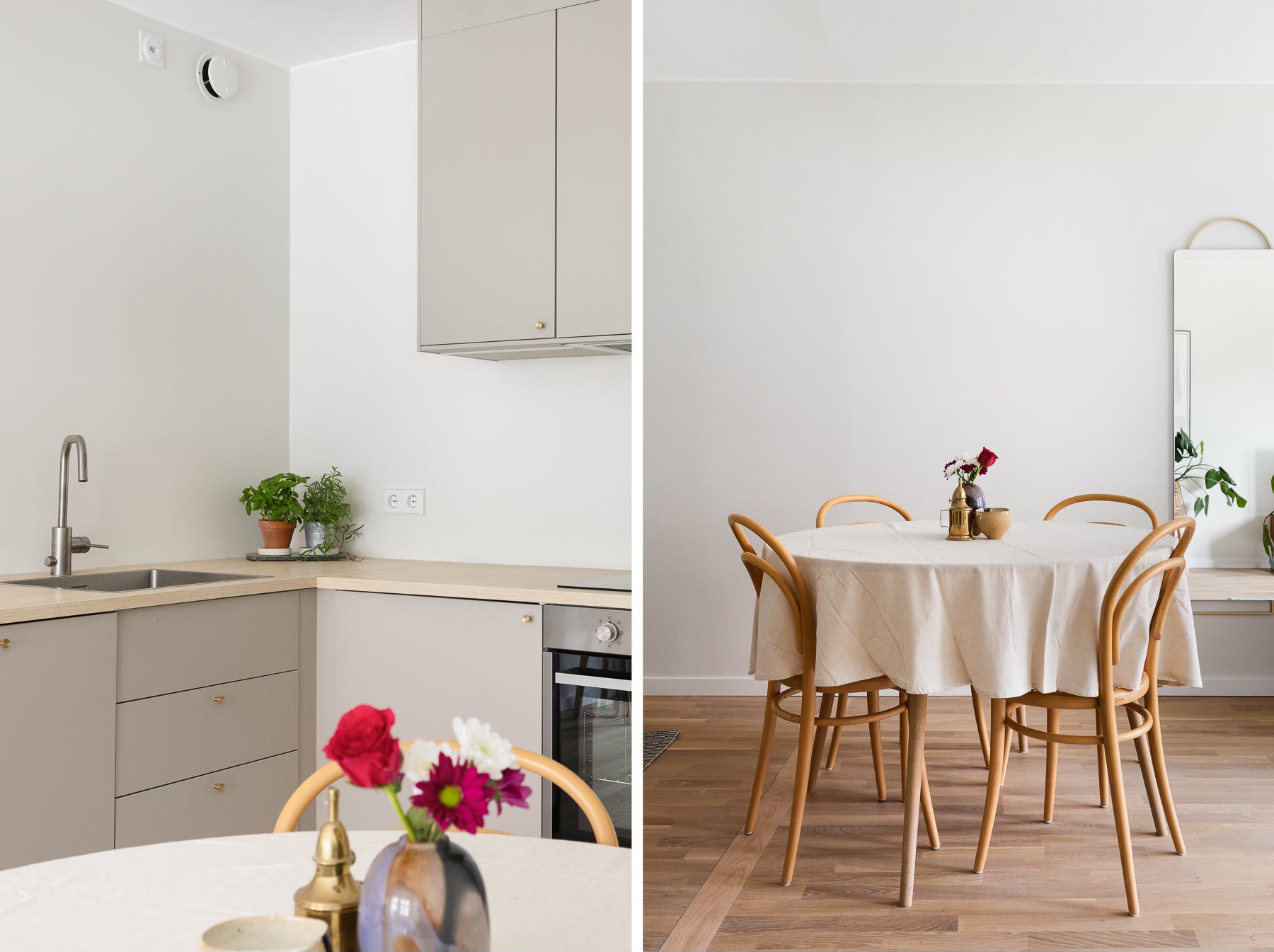
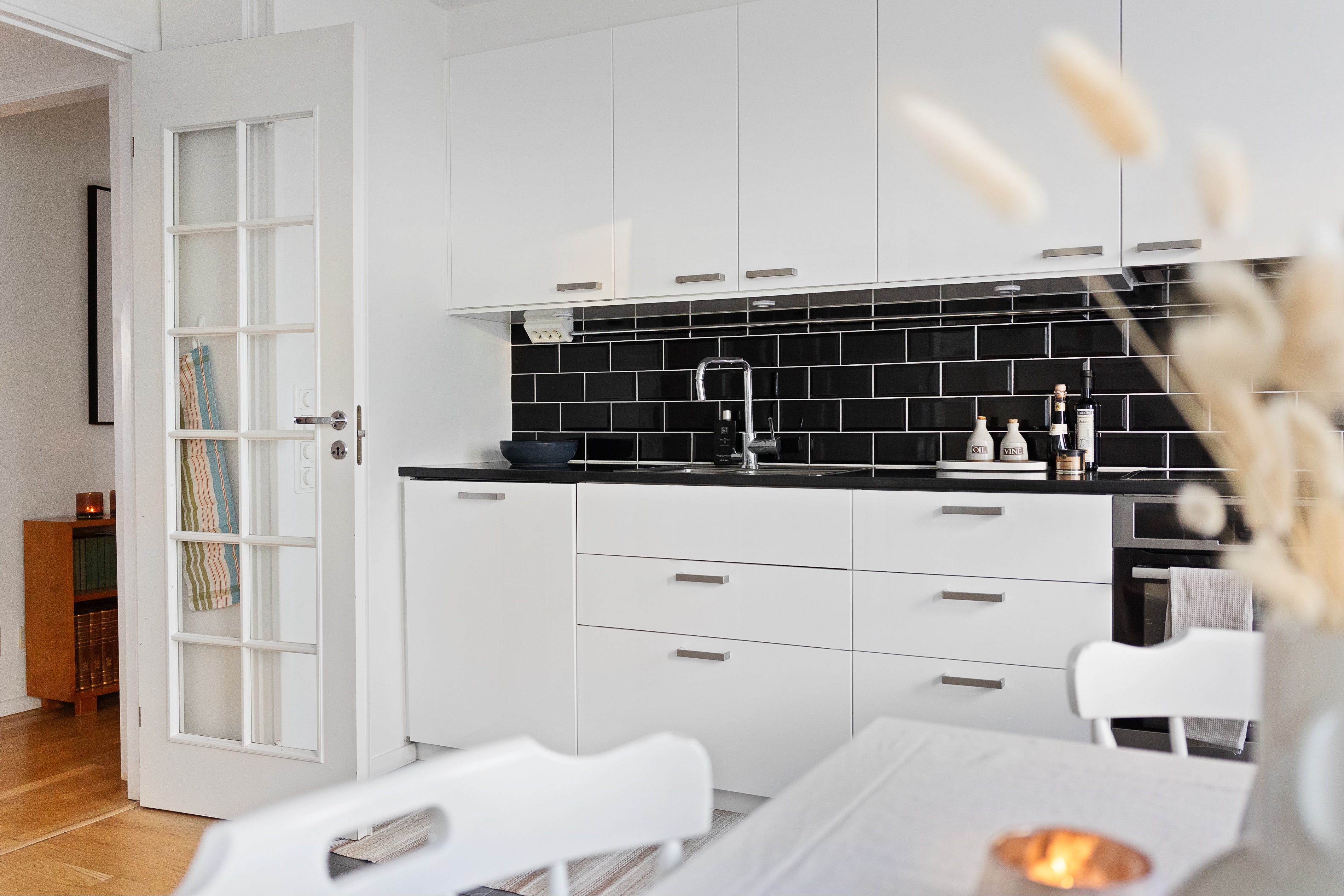
Inside, the apartment is spotless. White walls. Marble countertops. A Le Creuset pot on the stove that looks like its never been used. I won’t have to move much around.
“Looks fantastic,” I tell her. “No, seriously. You won’t believe how it is sometimes.”
I tell her about the time I had to help carry a double bed out of an apartment. The seller lived on his own on Kungsholmen in a building from the thirties with low ceilings and a minuscule bathroom: the kind where you practically have to sit on the toilet when you shower. He worked for a hedge fund, as I recall.
“Hej!” Stina says, more than gleefully, hugging the seller. “Hej! It’s so great to see you!”
She doesn’t wait for an answer. She’s already striding through the rooms, checking for something out of place.
“Can you try and hide the TV and computer cables?” I ask the seller. “And the ones in the kitchen for the kettle and coffee maker.”
The seller is happy to oblige.
“Just tell me what to do. You’re the professional.”
“You’ve done a fantastic job,” Stina assures her.
She has. I won’t have to spend hours photoshopping out anything that might detract from the appearance of perfection.
I start in the bathroom, removing the towels, the toilet brush, the loo roll. I’ve done this so many times it’s almost second nature now, checking the angles, adjusting the focal length, making sure everything lines up. Then I turn off all the lights in the apartment. I want as much natural light as possible.
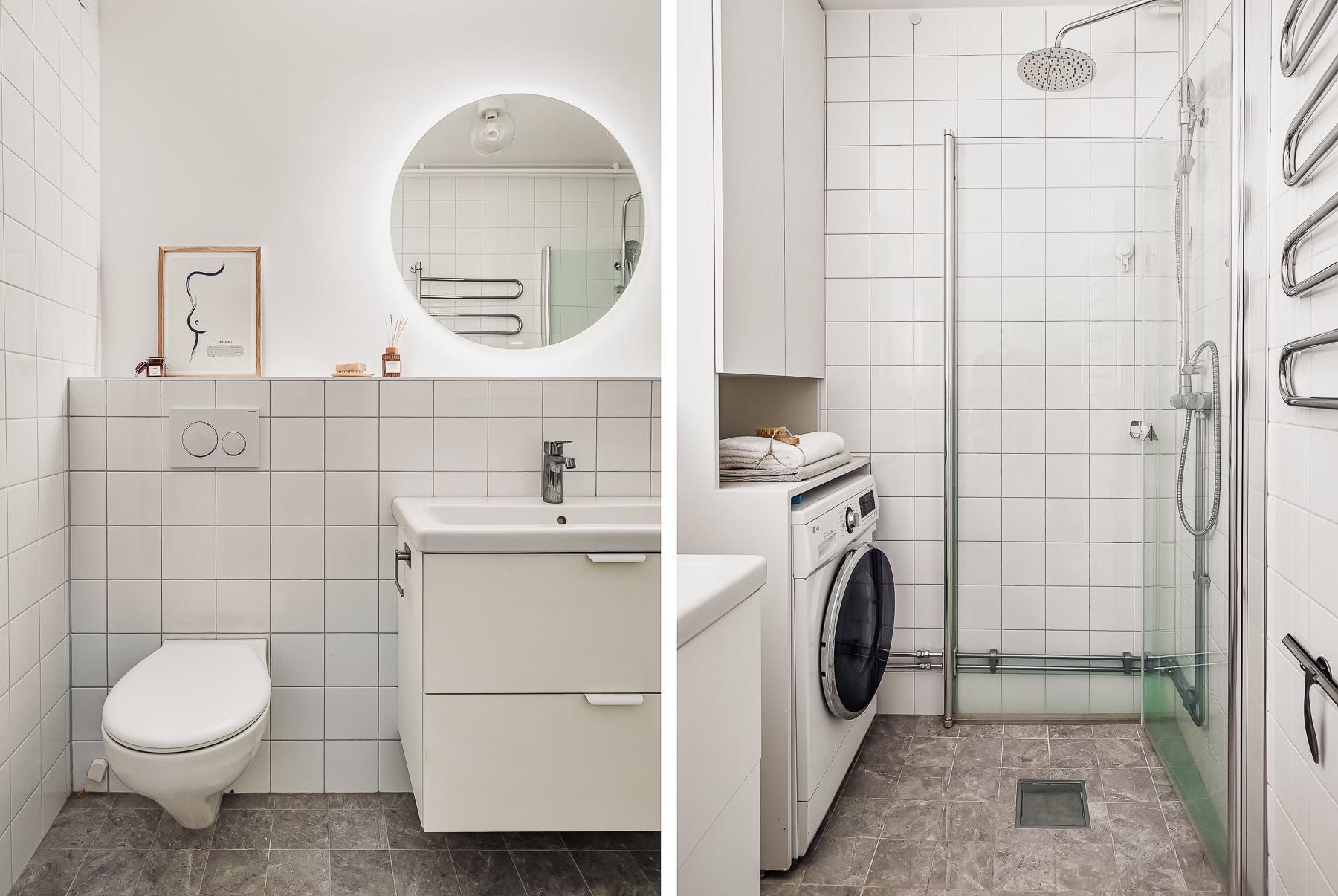
I shoot bracketed exposures and flash shots which I’ll merge later in Photoshop to get the light just right. The bracketed shots are for the natural light. The flash is for the colours and window pulls.
I work through each room systematically, checking for anything that shouldn’t be there.
The secret to good interior photography for the Stockholm market is not to go too wide with the composition. It always strikes me as odd that photographers in the US, UK, or France seem to stretch the room as wide as possible, to the point that it looks fake. Distorted. Like someone’s pulled the walls apart.
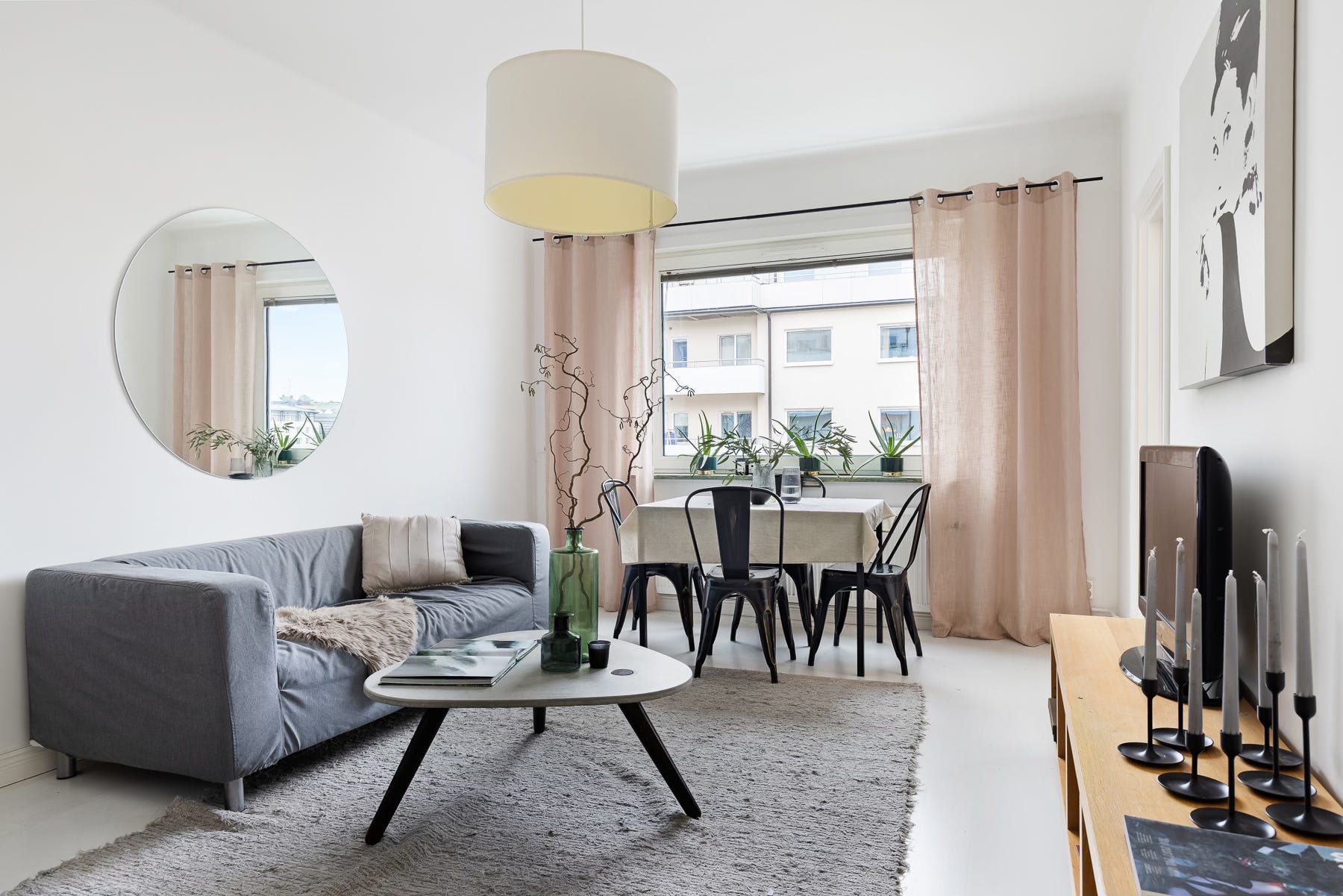
The show takes about sixty minutes. While I work, Stina makes small talk with the seller about storage facilities and access to the private gym and sauna. I tune them out.
Afterwards, I take lifestyle shots. Lemons, fresh basil, an expensive bottle of olive oil on the marble counter. The view from the window with a candle holder and pot plant on the sill, blurred, the sharp focus on the world outside.
There are always lemons. On every shoot. Stylists and owners seem to influence each other. Everyone laughs about it—the lemons, the sourdough bread, the olive oil—but everyone keeps doing it. It’s the Instagram effect.
It’s not like a photograph of a lemon makes an apartment more desirable.
In the lift heading out of the building, Stina tells me.
“I’m afraid I’m not going to be able to use you anymore.”
She says it like she’s mentioning she needs to stop by the supermarket on her way back to the office.
“Huh?” I glance at her, my rucksack heavy on my back. “How come?”
“You’re just not good for my image.” She pauses, then adds, “I’m afraid.”
For a moment I don’t quite follow.
“Your image?”
“You look great for your age,” she says, like it’s meant to reassure me. “And you’re a great photographer—really great. But a lot of the customers I’m targeting expect me to show up with someone cooler. Younger. Optics are important now. More than ever in this market.”
For a moment I wonder if she’s messing with me. But I don’t get a chance to ask.
“I’ll call you if something comes up,” she says. “A last-minute booking or something. But from now on I’m going to go with—”
She tells me the name of the agency. Two young guys. One of them wears a beanie. He has a hipster beard. At least, that’s what it looks like on Instagram.
“No hard feelings,” she says. We’re in the foyer now, heading towards the main door. “I’m really sorry.”
I shrug.
“Like I said, it’s nothing personal. It’s all about optics. You really are a great photographer.”
Outside it’s freezing. My iPhone says minus eight.
“I need the photos tomorrow before nine,” Stina tells me. “The listing has to be up before lunch.”
That’s not a problem.
“Great!” She adjusts her scarf, pulling it tighter. “Oh, and make sure you get a shot of the building.”
I tell her that won’t be a problem either.
“Hej då. Vi ses.” – See you around.
And she’s gone, striding down the road, brushing her long hair off her shoulders.
I take the shot of the building and walk to the metro.
I never see her again. Not in real life.
I see her on Instagram. Photos in the elevator mirror. The office Christmas party. Stories from Malaga in the summer with some guy whose hair is blonde and floppy, vaguely reminiscent of young guys at the end of the eighties.
From time to time she posts a fire emoji and a heart on my photos.
She never calls.
I’m in my mid-fifties. I’m disposable.
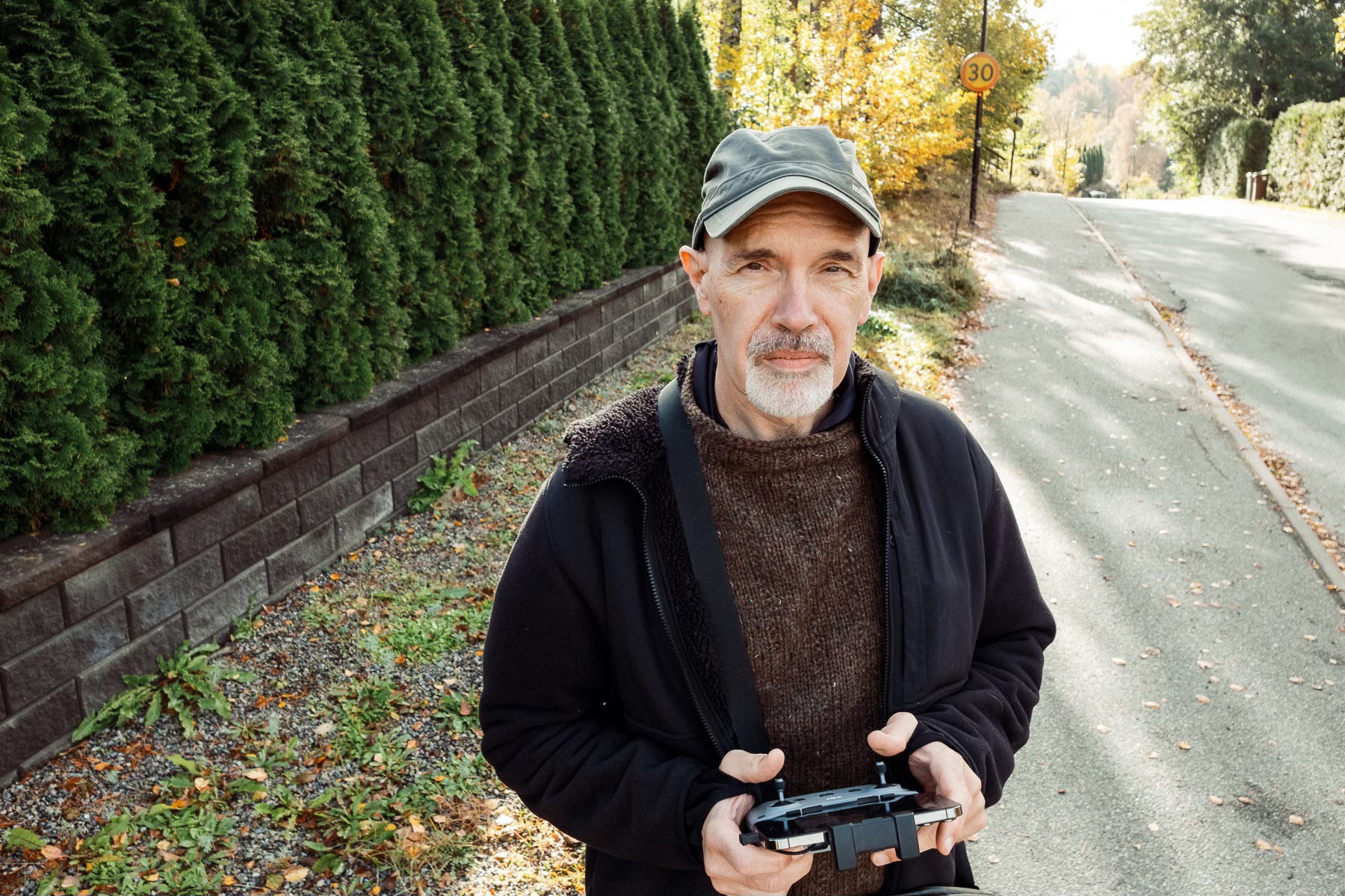
Story of my photographic life.
©Jon Buscall
Well that is absolute horseshit. I hearted this to support your work on the piece, but what that woman did to you makes my blood boil. I’m not sure what is worse, the level of disrespect or the offhand delivery. There is something so very wrong with this world when people are treated as disposable - as products rather than human beings. I’m so sorry this happened. I wish I had some comfort or hope to offer, but at the moment all I have is my outrage.
What a dreadful way to be treated by someone you’ve undoubtedly bent over backward to accommodate with your services. I hope that the grace with which you’ve written about it will be part of what brings you better work to come. Xx