
The Fourth Frame
I try to sneak a shot of John at Thanksgiving

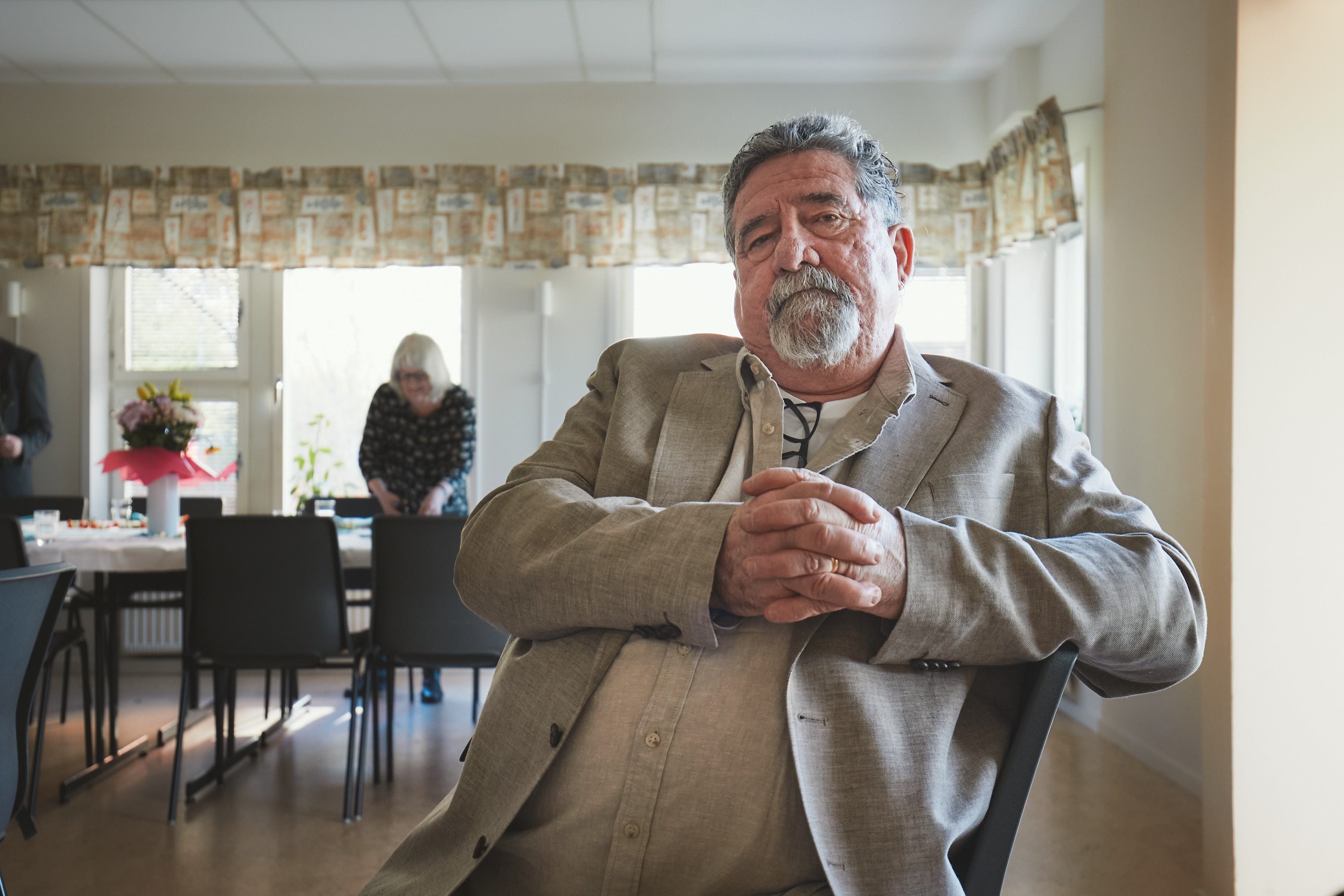
It’s not that he won’t pose for a shot. He’s an artist and photographer, and he’ll gladly get in front of the camera.
But I want something candid, something that captures more of who he is. Not who he thinks he should be.
I’ve been trying to get the shot since last year when he told everyone about the diagnosis.
He doesn’t go out much anymore, but I’ve been to dinner at his place four, maybe five, times since then. I’ve needed to help him with some stuff.
Even though I have a camera with me every time I see him, I’ve not managed to get the right shot.
I don’t count the ones from his birthday party in July: that was a game. I had the idea of doing something with Polaroids, photographing him with each of the guests, but then he took over.
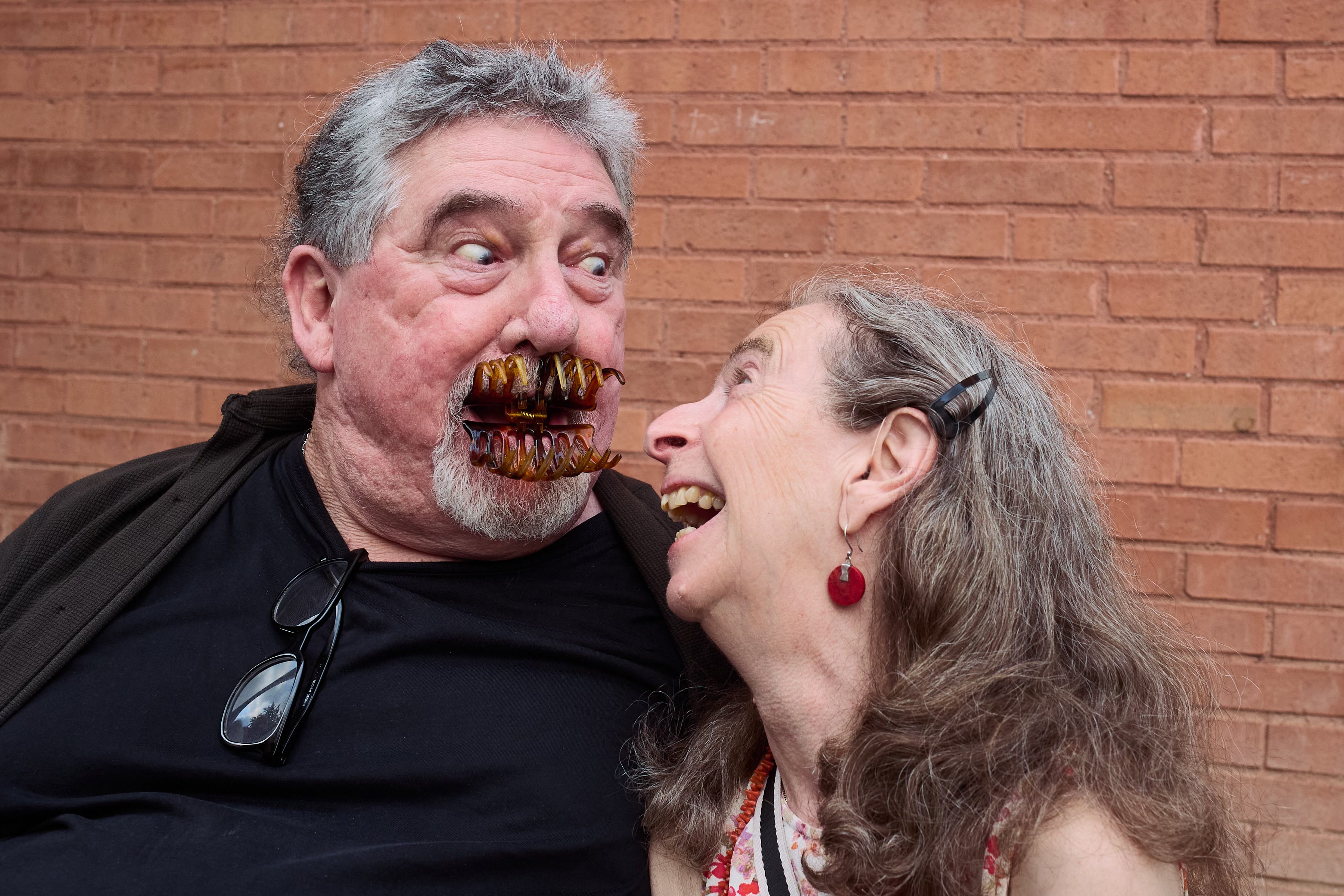
Like I said, he’s an artist.
I didn’t listen to everything he suggested as I had my own agenda too.
So, I’ve been trying to get a candid. Something that says a bit more about who he is.
When M died, the photo I took of him the previous August was used in the newspaper. It was also on the programme at his funeral. I made a print for his two brothers, who said they appreciated it. Really appreciated it.
And I often say “Hi” to him when I go downstairs at my house, passing his portrait on the wall along with so many other people from the family, his eyes sparkling in the golden late-summer light.
It was this portrait of M, taken on an early August evening after he made salmon to thank us for letting him stay, that taught me that sometimes a candid frame can be the most important shot you get of someone.
It can be the photograph. The one where they reveal a real glimpse of who they are, not knowing that the camera is there.
At Thanksgiving, John gives a speech. There are only six of us around the table, so I figure I’ve got maybe one or two frames to get the shot. I figure they’ll be aware of me the second I raise my camera. Besides, I don’t want to disturb the dinner.
Too nervous, maybe too eager, I don’t get my timing quite right.
I realise this even at the time.
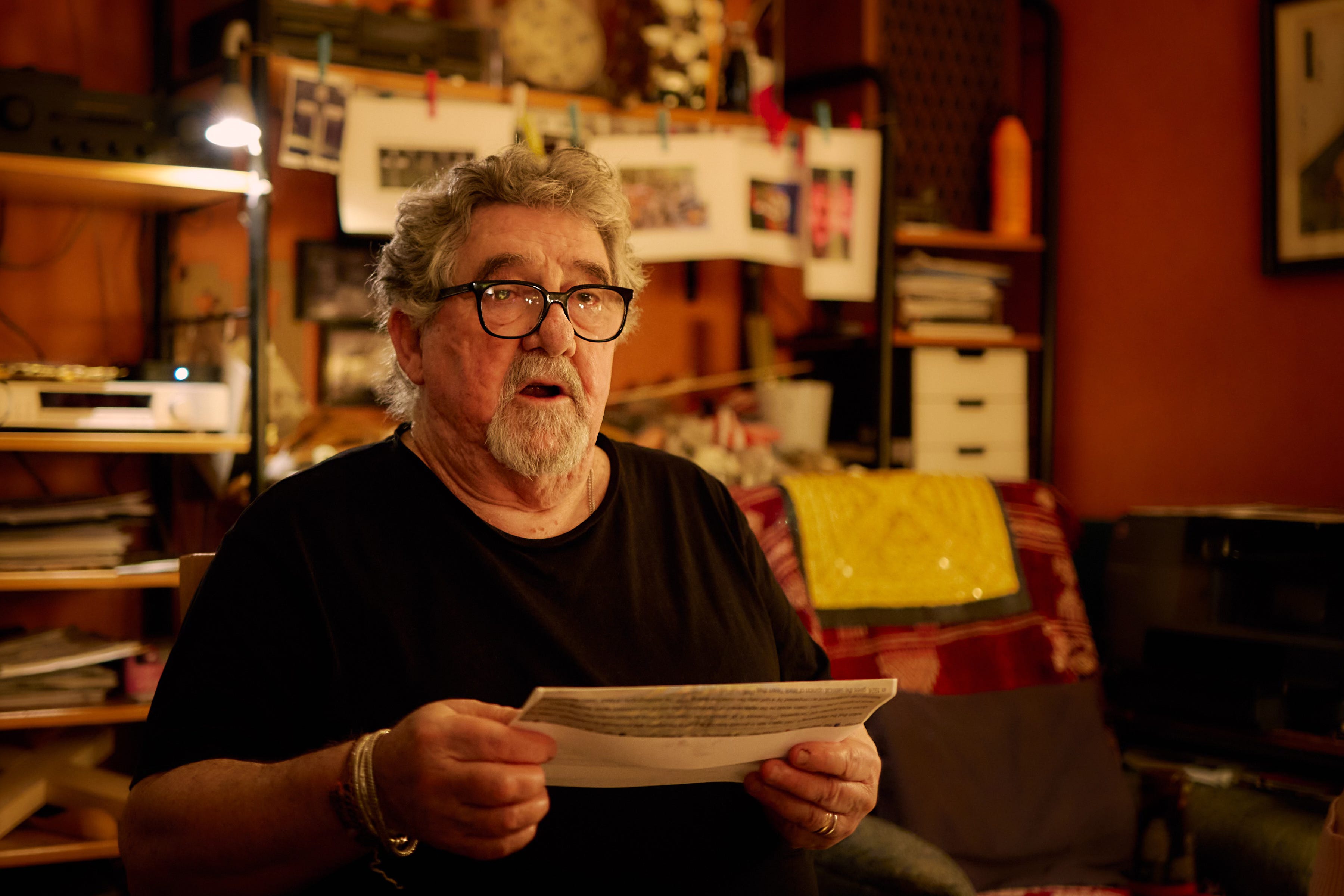
When I get home, look through the four shots I managed to take. Two don’t work at all, totally misstimed. On the photo I like most, the light isn’t right on his glasses and you can’t see his eyes. In the other shot, which in someways works, he’s aware of the camera’s presence and is doing something funny with his lips.
This photo makes him look like an old lady when in fact I think he’s more like a film mogul, large and imposing and capable of incredible creativity. But also swearing a lot.
I’ll get a better shot next time.
I tell myself the same thing when I look at a photo I take the following Sunday of T.
I don’t see him so often – only three times this year because he’s hidden himself away, using every spare drop of his energy to fight it. The treatment is having some kind of effect, but he’s been through more operations than I can imagine, but it’s now Stage 4.
“I’m staying positive,” he says. “I’ve got a great team fighting my corner.”
He hosts a small gathering for family and friends to celebrate the start of the festive season.
My camera is slung over over my shoulder when I arrive, and I try to hide its presence. I’m not sure if I’m going to get a chance to take a shot, so my plan to begin is just watch and wait. I need to stay in the moment, and just focus on being social. But I’m aware of its presence the whole time, gently knocking against my side.
His daughter is over from Australia and has a Polaroid camera. She’s going around photographing people, clipping each photograph that pops out of the camera to a piece of string hanging from the door frame.
When she takes my photo, the camera doesn’t fire.
“Maybe you’ve run out of film,” I say, but she tells there are still four shots left.
We try again and I stand uncomfortably, trying in that instant to figure out whether I should smile or not, whether I should turn my right or left side of my face slightly.
After three attempts, the Polaroid sparkles into life, the firing flash signalling that she’s got the picture.
When I later look at it, hanging from the door frame, you can barely see my face. The colours have run together. If you know me, you can maybe tell it’s me. But I’m not entirely sure.
I drink more glögg and eat more treats. The lussekatter remind me just how much I like Safran.
As things go, I don’t get the courage to snap candids. There are so many people crammed into the tiny apartment, and several small children running around. I only know three people there plus I don’t feel comfortable taking candids when other people’s kids are around. A lot of people don’t like it anymore.
Finally, I decide to just take a posed shot, figuring I have to do something.
It says, “Bad” above one of the doors – bathroom in Swedish is badrum.
I tell T that I want to take his photograph with Margret under the sign.
“Yeah, we’re both so bad,” T says, grinning, pulling Margret closer to him.
I pull the camera to my eye, figuring I don’t need the mini-flash unit that’s stuffed inside my pocket.
I quickly focus on his face, taking nano-seconds to frame the shot.
They’re laughing about something, saying something, but I don’t hear what.
Instead, I hit the button four times.
I’m certain that the final frame is the one I’ll keep.
When I open them up the next morning to look on my computer, I’m right. The fourth frame is best.
T looks drawn, his face puffy from the treatment, I guess. Margret is grinning. It’s a good one of her and she’s not pulling that mock sarcastic look like she nearly always does, too conscious of the frame. This time she’s genuinely smiling. And so is T.
And although it’s not a candid, I like it. It would be better if his arm wasn’t slightly cut off, but that’s not what matters the most.
What does matter is that from now on I’ll have at least one picture.
But it could be better. It could be candid.
The plan is to meet at friends’ for dinner in January. I’m thinking that I’ll get a candid one then. The shot that I want.
And, as for John, I’ve got stacks of snaps of him from over the years. But I want one to remember him as he is now.
There will be plenty of chances, I’m sure.


©Jon Buscall 2025
This is wonderfully told: your desperation to capture him as you know him, not wearing the mask that most wear in front of the lens; obviously worried about him, but trying to skate over it… – every word demonstrating a kind of love: the love that emerges in your beautiful images.
I too know that fear of losing someone close. My friend, already shy, wouldn’t let people see them; and I have no photographs after their first day on chemo. They kept telling everyone they would be fine; presumably knowing they were dying (but who knows what medics tell their patients?).
I so hope John recovers. I really do. Cancer is such a bastard.
This is excellent. All the photographs are brilliant, and the text (unsurprisingly) is intimate, kind, detailed and generous. Thanks Jon.